CX and Loyalty – Why Do Customers Keep Coming Back?
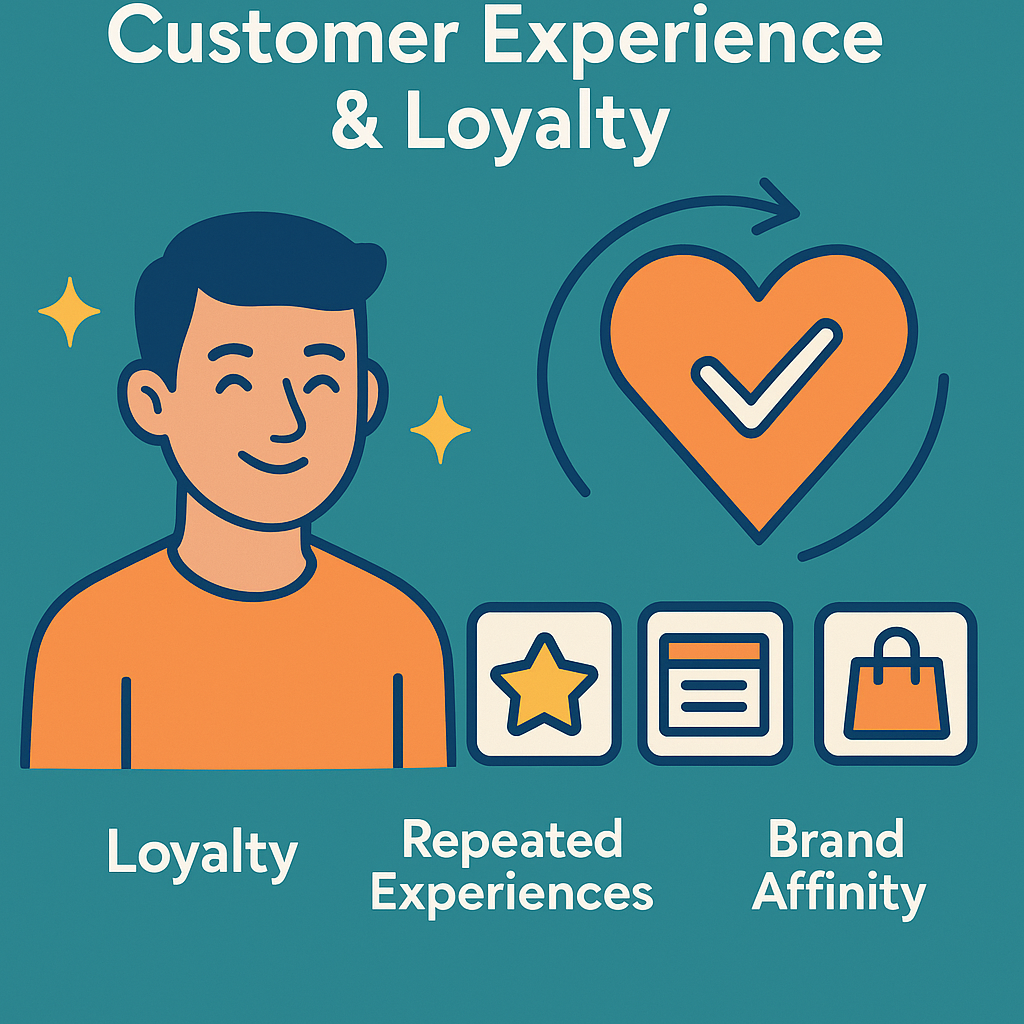
A successful business doesn’t rely on constantly acquiring new customers—it succeeds when existing customers return again and again. Loyalty, or brand fidelity, isn’t just a nice marketing catchphrase––it’s a cornerstone of business stability. In this installment of the CX Basics series, we explore why people become loyal to a brand, how customer experience (CX) plays into it, and what a Hungarian SME (small or medium business) can do to build that loyalty.
What Is Loyalty?
“Loyalty” might sound remote, but we experience it daily. It’s the habit of getting your coffee from the same place every week, going to the same hairdresser, or waiting a few days for your preferred repair person—even when someone cheaper or faster is available.
Loyalty is more than brand fidelity—it’s an emotional commitment and internal conviction. A loyal customer not only returns but also recommends your product or service to others. I’ve previously written about how emotions play a crucial role throughout the customer journey.
Why Loyalty Matters for SMEs
- Retaining costs less than acquiring
Gaining a new customer can cost 5–7 times more than keeping an existing one.
- Returning customers spend more
The more familiar and trusted a brand becomes, the higher the average purchase value.
- Word‑of‑mouth marketing
Loyal customers not only return—they also bring their friends.
- Greater resilience in times of crisis
Trust becomes even more important in difficult times. Loyalty keeps customers around when decisions are harder to make.
The Psychology Behind Loyalty
Customer loyalty isn’t only a rational decision—it’s deeply emotional. These elements play a role:
- Habit and comfort – no need to search; the process is familiar.
- Sense of security – knowing what you’ll get.
- Positive repetition – you’ve had good experiences, so you repeat them.
- Connection and attention – you feel valued.
That’s why experience repetition is key: if customers repeatedly enjoy a positive experience, loyalty forms. To achieve that, consistently deliver what you promise – or better yet, promise less and overdeliver rather than promise a lot and underdeliver.
The CX–Loyalty Connection
Customer Experience (CX) is one of the most powerful tools for building loyalty. Over a customer’s lifetime, it’s rarely the lowest price or the biggest sale that resonates—it’s the quality of the experience they had every time they interacted with you. CX influences every touchpoint: from your website, to customer support, to the payment process and aftercare.
Building Loyalty Through CX:
- Reliable quality
Few things impress more than consistently positive experiences.
- Empathetic customer service
Loyalty is often built not during the purchase, but after a complaint is handled well.
- Proactive follow‑up
Don’t let the customer feel forgotten. A simple thank‑you, reminder, or check‑in builds loyalty.
- Personalized communication
When you know who the customer is, what they searched for, or what matters to them, you can respond thoughtfully.
- “Wow” moments
Small surprises or extra touches create lasting impressions.
SME Tips for Building Loyalty
- Regularly ask for feedback and respond
- Measure where customers come from and how often they return
- Create a customer community—care for frequent visitors
- Teach your team that experience builds loyalty
- Develop buyer personas: why does “Peter” return? Why does “Erzsi néni” stay loyal?
Closing Thought
Loyalty is not accidental—it’s the result of deliberate, experience-driven cultivation. For Hungarian SMEs, this can be the strongest competitive advantage: it doesn’t take a huge marketing team—just attention, humanity, and thoughtful customer care. Because once someone felt good with you, they’ll come back. And if they feel good for years? They’ll never go anywhere else.
This is loyalty. This is customer experience—CX.